
I’ve been a loyal patient at this dental practice since the ’80s, and my recent annual cleaning reaffirmed why. Cindy, the dental hygienist, provided exceptional care. Her gentle touch and genuine concern for my comfort made the cleaning a breeze. I’ve always received top-notch service here, and Cindy’s expertise is a shining example of their commitment to patient satisfaction. Highly recommend this practice for their outstanding staff and long-standing dedication to dental health.
Explore the Possibilities of a Personalized Dental Implant Plan [BLOG]
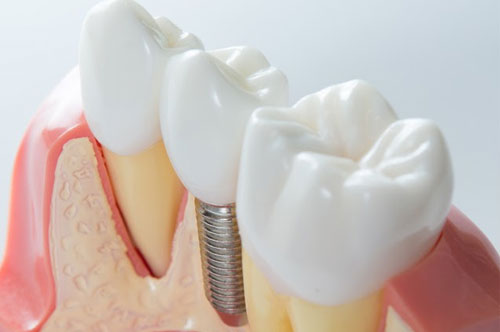
Losing a tooth changes more than the appearance of your smile. It can affect how you approach meals, interact with others, and think about your long-term dental health. While replacing a missing tooth may seem straightforward, choosing the right treatment involves several important decisions. A personalized dental implant plan considers your oral health, bone structure, replacement needs, and future goals before treatment begins. Understanding this planning process can help you feel more confident about the decisions ahead.
At Charlotte Dentistry, dental implants offer an option for replacing missing teeth with restorations designed to support natural-looking results and dependable function.
Understand Why Implant Planning Matters
Dental implants are small posts, typically made from biocompatible materials such as titanium, that are surgically positioned in the jawbone. Once integrated with the surrounding bone, they provide support for replacement teeth.
However, implant treatment involves more than placing a post and attaching a restoration.
Your dentist must consider the health of your gums, the amount and quality of available bone, the location of the missing tooth, and the way your remaining teeth come together. Medical history and certain lifestyle factors may also influence treatment recommendations.
For example, replacing a front tooth involves different aesthetic considerations than restoring a back molar. The front of your smile requires careful attention to tooth shape and surrounding gum contours, while posterior restorations must withstand substantial chewing forces.
These details influence implant positioning, restoration design, and the overall treatment sequence.
What Happens During a Dental Implant Evaluation?
An implant consultation provides an opportunity to examine your mouth, discuss your goals, and determine whether additional preparation may be necessary.
Although individual evaluations vary, the process may include:
- Reviewing your dental history: Previous extractions, gum disease, existing restorations, and other treatments can influence planning.
- Assessing your gum health: Healthy supporting tissues are important for the long-term success of implant restorations.
- Evaluating available bone: Dental imaging helps determine whether the jaw has sufficient bone to support an implant.
- Examining neighboring teeth: Their positions and conditions affect how the replacement tooth should fit into your smile.
- Checking your bite: Your dentist considers how chewing forces will be distributed across the restoration.
- Discussing treatment expectations: Understanding the stages, estimated timeline, and maintenance requirements helps you prepare.
Some patients may need additional treatment before implant placement, such as addressing active gum disease or evaluating whether bone augmentation is appropriate.
An evaluation also helps identify situations where a different tooth replacement option may be more suitable.
Recognize the Importance of Healing
One reason dental implant treatment requires careful scheduling is that the jawbone needs time to establish a stable connection with the implant.
This biological process, called osseointegration, allows the implant to become securely supported by the surrounding bone.
Healing times vary depending on implant location, bone quality, overall health, and whether additional procedures are necessary. Some patients may be candidates for a temporary restoration during certain stages, while others need to wait until sufficient healing has occurred.
Rushing the process isn’t always beneficial. The goal is to create a foundation capable of supporting a restoration over the long term.
Your dental team will explain the expected treatment sequence and how healing milestones influence the timing of your final replacement tooth.
Think Beyond the Day Your New Tooth Arrives
An implant restoration may look and function much like a natural tooth, but maintaining it still requires consistent attention.
Although the implant itself cannot develop a cavity, the tissues surrounding it can become inflamed or infected. This makes daily cleaning and regular professional examinations essential.
Patients should brush thoroughly, clean around the implant restoration using recommended methods, and attend routine dental appointments.
Avoiding tobacco use and managing conditions that affect healing may also support long-term implant health.
If you notice bleeding, swelling, discomfort, or changes around an implant, contact your dental team rather than waiting for the problem to resolve on its own.
Take the First Step Toward a Lasting Replacement
As the calendar moves toward the holiday season, you may be thinking about improvements you’d like to make in the coming year. If replacing a missing tooth is among your goals, now can be a useful time to learn what the process involves.
A personalized dental implant plan helps establish realistic expectations, identify potential challenges, and guide treatment decisions based on your individual needs. At Charlotte Dentistry, our team can evaluate your smile and discuss dental implant options that may be appropriate for you. Schedule a consultation to explore your choices and begin planning for a healthy, functional smile that supports your future. Call us at 704-285-0846 to schedule your appointment in Charlotte, NC or schedule online.
Read Our Latest Blog Posts 


Correct an Uneven Bite Before It Affects Everyday Comfort [BLOG]
Your teeth are designed to work together every time you chew, swallow, or close your...
Read More Honor Veterans by Prioritizing Lifelong Oral Health [BLOG]
Veterans Day is an opportunity to recognize the men and women whose service has helped...
Read More Recognize When Wisdom Teeth Are Running Out of Room [BLOG]
Your third molars are usually the last teeth to develop, and their arrival isn’t always...
Read More