
I’ve been a loyal patient at this dental practice since the ’80s, and my recent annual cleaning reaffirmed why. Cindy, the dental hygienist, provided exceptional care. Her gentle touch and genuine concern for my comfort made the cleaning a breeze. I’ve always received top-notch service here, and Cindy’s expertise is a shining example of their commitment to patient satisfaction. Highly recommend this practice for their outstanding staff and long-standing dedication to dental health.
Savor Holiday Favorites With Teeth That Work Together [BLOG]

Thanksgiving brings plenty of reasons to gather around the table, from catching up with relatives to enjoying recipes that only appear once a year. But when your teeth don’t function comfortably, even familiar foods can become frustrating. You might find yourself cutting everything into smaller pieces, chewing exclusively on one side, or avoiding certain dishes altogether. Having teeth that work together makes everyday eating easier, and understanding how dental restorations influence your bite can help you recognize when something needs attention.
At Charlotte Dentistry, restorative dentistry offers solutions for damaged, weakened, and missing teeth. The goal isn’t simply to improve how your smile looks, but to help your teeth function comfortably during meals and throughout your daily routine.
Understand How Teeth Share the Work of Chewing
Every tooth has a particular role in helping you eat. Your front teeth bite into foods, while your premolars and molars crush and grind them into smaller pieces.
When these teeth function together, chewing forces are distributed across multiple surfaces. Your jaw muscles, teeth, and supporting tissues all contribute to this coordinated process.
However, dental damage can interrupt that balance.
A severely worn tooth may no longer make contact the way it once did. A missing molar can leave neighboring teeth handling additional chewing demands. An old restoration that has changed shape or become damaged may also affect how your teeth meet.
These changes don’t necessarily cause immediate pain. Instead, you may gradually develop new chewing habits to compensate for areas that feel uncomfortable or ineffective.
Over time, those adjustments can make it harder to recognize that something has changed.
Why Does Chewing Become Difficult When Teeth Are Damaged?
Chewing problems don’t always come from a single source. Your dentist must identify the underlying issue before recommending treatment.
Several situations may interfere with comfortable eating:
- Worn chewing surfaces: Teeth that have lost significant structure may become less effective at breaking down food.
- Fractured teeth: Cracks or broken areas can cause discomfort when biting or releasing pressure.
- Missing back teeth: Gaps may reduce chewing efficiency and encourage you to favor one side of your mouth.
- Failing restorations: Loose, damaged, or poorly fitting dental work can interfere with comfortable tooth contact.
- Extensive decay: Cavities that weaken tooth structure may make chewing painful or increase the risk of further damage.
- Unstable dentures: Removable replacement teeth that shift during meals can make it difficult to manage certain foods.
Because these concerns have different causes, treatment should begin with an examination rather than assuming that every chewing problem requires the same solution.
Rebuild Function With the Right Restorative Treatment
Restorative dentistry includes several approaches for repairing teeth and replacing missing structures. The most appropriate option depends on how much healthy tooth remains and what needs to be restored.
A tooth-colored filling may be sufficient when a cavity or minor area of damage affects a limited portion of a tooth. By restoring the missing structure, the filling can help the tooth regain its intended shape and function.
Dental crowns provide more extensive coverage for teeth that are significantly weakened or damaged. A properly designed crown helps restore the tooth’s chewing surface while protecting the remaining natural structure.
When teeth are missing, dental bridges can replace certain gaps by using neighboring teeth for support. Dentures offer another solution when several or all teeth in an arch need replacement.
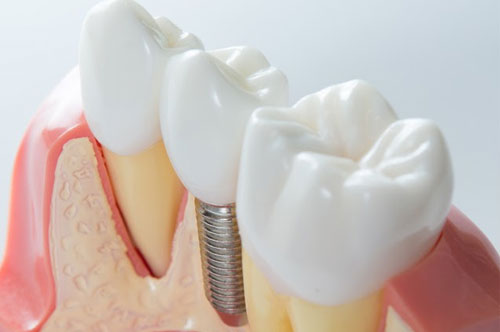
Dental implants may also be considered for appropriate candidates seeking replacement teeth supported by the jawbone.
Each option has advantages and limitations. Your dentist will consider the condition of your remaining teeth, your bite, your oral health, and your long-term goals before developing a recommendation.
Comfortable Chewing Requires More Than a Strong Restoration
A restoration can be made from durable materials and still feel uncomfortable if it doesn’t fit properly within your bite.
For example, a crown that contacts an opposing tooth too early may create a sensation that one tooth is hitting before the others. Similarly, a replacement tooth needs to be shaped so it works appropriately with neighboring teeth.
That’s why restorative treatment includes careful attention to tooth contact.
Your dentist may evaluate how your teeth meet when you close your mouth and how they interact during jaw movements. Adjustments can sometimes improve comfort and help prevent unnecessary pressure on a restoration.
After treatment, it’s important to report persistent discomfort, difficulty chewing, or a sensation that your bite has changed. These concerns deserve evaluation rather than repeated attempts to adjust your chewing habits.
Enjoy the Moments That Bring Everyone Together
As Thanksgiving approaches, the holiday table offers a reminder that eating is about more than nutrition. Sharing meals is part of how families celebrate, reconnect, and create memories.
If damaged or missing teeth have made those experiences less enjoyable, you don’t have to keep working around the problem. Restorative care may help you regain more comfortable function while protecting your remaining natural teeth.
Having teeth that work together can make a meaningful difference in how confidently you approach meals, conversations, and everyday activities. At Charlotte Dentistry, our restorative services are designed to address individual dental concerns with personalized treatment options. Schedule an appointment with us to discuss your chewing difficulties and discover how we can help you enjoy a healthier, more functional smile throughout the holidays and beyond. Call 704-285-0846 to visit us in Charlotte, NC. You can also schedule online.
Read Our Latest Blog Posts 

Address Receding Gums Before Your Smile Pays the Price [BLOG]
Your gums do more than frame your teeth. They protect sensitive root surfaces and help...
Read More Explore the Possibilities of a Personalized Dental Implant Plan [BLOG]
Losing a tooth changes more than the appearance of your smile. It can affect how...
Read More Correct an Uneven Bite Before It Affects Everyday Comfort [BLOG]
Your teeth are designed to work together every time you chew, swallow, or close your...
Read More